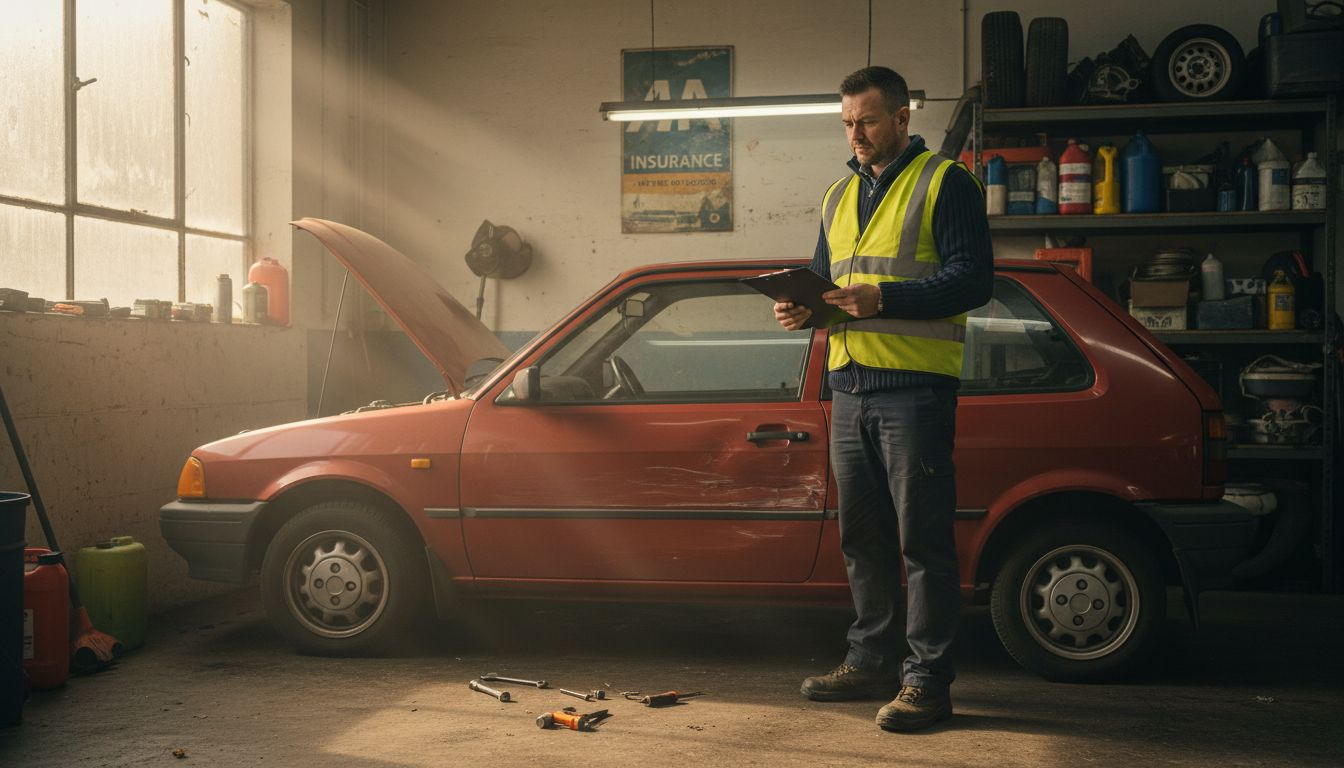
After a recent accident, most UK car owners face the immediate worry of what to do with a damaged vehicle taking up space and time. Selling a car in this condition is not always straightforward in the United Kingdom, where specific legal and insurance rules define what counts as a damaged car. By understanding the
UK vehicle damage categories and the relevant insurance procedures, you can move towards a quicker sale and the best cash offer for your damaged car.
Table of Contents
- Defining Damaged Cars In The Uk Context
- Recognised Types Of Vehicle Damage Explained
- How Insurers And Dvla Assess Damage
- Legal Criteria For Damaged Vehicle Classification
- Rights, Payouts, And Selling Damaged Cars
Key Takeaways
| Point |
Details |
| Understanding Damage Categories |
Familiarise yourself with the UK's vehicle damage categories (A, B, S, N) to assess your car's market value and repair potential. |
| Professional Assessments are Crucial |
Always obtain an independent assessment before selling a damaged car to accurately determine its category and resale value. |
| Legal Obligations for Sellers |
Be aware of your legal responsibilities regarding disclosure of vehicle damage history and compliance with consumer rights. |
| Insurance Claim Considerations |
Understand factors affecting insurance payouts, including pre-accident value and documented damage, to maximise compensation during claims. |
Defining Damaged Cars in the UK Context
In the United Kingdom, damaged cars represent a complex category of vehicles with specific legal and insurance classifications. Understanding these definitions is crucial for car owners considering selling a vehicle that has sustained significant damage. The ABI's Code of Practice provides a comprehensive framework for categorising vehicle damage.
According to industry standards, a damaged car is typically defined by several key characteristics:
- Structural damage compromising vehicle safety
- Mechanical failures preventing normal operation
- Repair costs exceeding the vehicle's market value
- Significant external or internal body damage
- Electrical system malfunctions
The AA Insurance guidelines outline specific damage categories that insurers use to assess a vehicle's condition. These categories range from minor cosmetic damage to total write-offs, each with distinct implications for potential resale or repair.
Vehicle damage classifications in the UK are primarily determined by two critical factors: safety and economic viability. Insurers and automotive experts evaluate whether a vehicle can be safely restored or should be considered beyond economic repair. This assessment involves a comprehensive inspection of structural integrity, mechanical systems, and potential repair costs.
Recognised Types of Vehicle Damage Explained
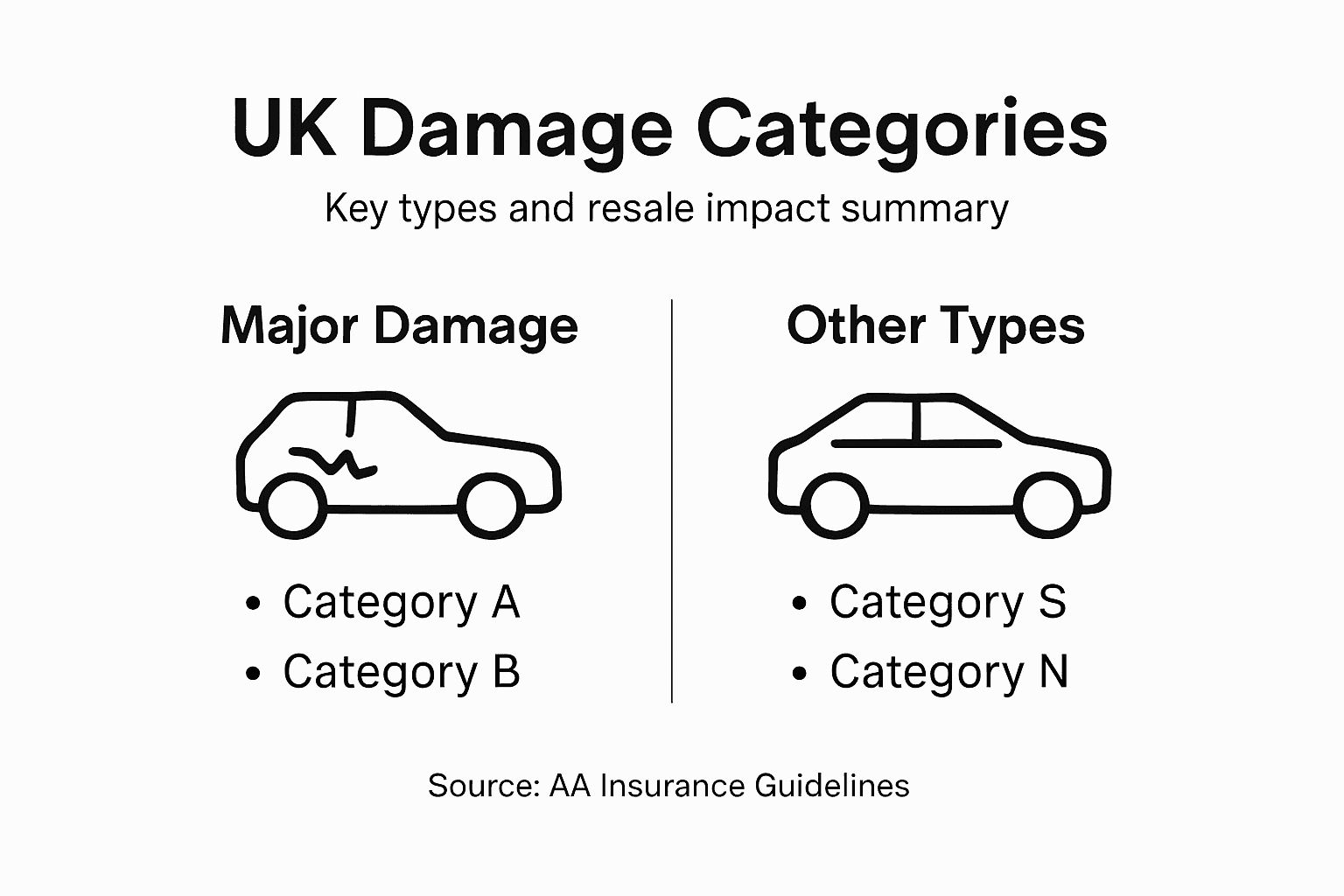
In the United Kingdom, vehicle damage is systematically classified into specific categories that help insurers, sellers, and potential buyers understand a car's condition and value. Comprehensive damage classifications provide crucial insights into a vehicle's potential for repair and resale.
The primary vehicle damage categories in the UK include:
- Category A: Vehicles completely written off and suitable only for scrap
- Category B: Cars that can be broken down for usable parts
- Category S: Structurally damaged vehicles that can be professionally repaired
- Category N: Non-structurally damaged vehicles repairable with mechanical or electrical work
These damage categories are critically important for understanding a vehicle's potential future use. Insurance damage guidelines reveal that each category represents a different level of damage severity and potential restoration.
Understanding these categories is essential for car owners considering selling a damaged vehicle. Category A and B vehicles are essentially considered total losses, while Category S and N vehicles might still have significant market value depending on the extent and nature of the damage. Professional assessment becomes crucial in determining a vehicle's precise classification and potential resale value.
The table below highlights the key differences between UK vehicle damage categories and their impact on resale potential:
| Category |
Main Damage Type |
Repair Potential |
Typical Resale Value |
| Category A |
Irreparable total loss |
None, must be scrapped |
No resale value |
| Category B |
Irreparable, parts only |
Only parts can be salvaged |
Low, for parts only |
| Category S |
Structural, repairable |
Can be made roadworthy |
Moderate, if repaired well |
| Category N |
Non-structural, repairable |
Full restoration possible |
Moderate to high |
How Insurers and DVLA Assess Damage
Vehicle damage assessment in the United Kingdom involves a meticulous process conducted by insurers and the Driver and Vehicle Licensing Agency (DVLA). Vehicle damage claims procedures reveal a comprehensive approach to evaluating a vehicle's condition and determining its future status.
The assessment process typically involves several critical steps:
- Detailed physical inspection of vehicle damage
- Comprehensive repair cost estimation
- Evaluation of structural and mechanical integrity
- Determination of safety and roadworthiness
- Documentation and official categorisation
Insurers play a pivotal role in this assessment, employing expert techniques to evaluate damage severity. They consider multiple factors including:
- Extent of structural damage
- Repair complexity and potential costs
- Vehicle's age and market value
- Safety implications of potential repairs
The DVLA ultimately updates a vehicle's registration status based on these professional assessments, ensuring that damaged vehicles are accurately recorded and regulated. This process helps protect potential buyers and maintains transparency in the automotive marketplace.
Pro tip: Request a comprehensive damage assessment report from your insurer to understand the full extent of your vehicle's condition.
Legal Criteria for Damaged Vehicle Classification
In the United Kingdom, vehicle damage classification involves a complex legal framework that protects both buyers and sellers. Legal guidelines for damaged vehicles establish clear criteria for identifying, disclosing, and managing vehicles with significant damage.
The primary legal considerations include several critical elements:
- Mandatory disclosure of vehicle damage history
- Compliance with Consumer Rights Act provisions
- Adherence to safety and roadworthiness standards
- Precise documentation of damage extent
- Transparent communication of repair status
Under UK law, sellers must provide comprehensive information about a vehicle's damage status, ensuring potential buyers can make informed decisions. This legal requirement involves:
- Revealing previous accident history
- Detailing repair work performed
- Disclosing any structural or mechanical damage
- Providing accurate vehicle condition reports
The Code of Practice for Motor Vehicle Salvage sets authoritative standards for classifying and managing damaged vehicles. These regulations ensure a consistent and transparent approach to vehicle damage assessment, protecting consumer interests and maintaining automotive market integrity.
Rights, Payouts, and Selling Damaged Cars
In the United Kingdom, car owners with damaged vehicles have specific legal rights and potential compensation pathways. Consumer rights for damaged vehicles provide crucial protections and guidelines for navigating insurance claims and potential sales.
The key rights for damaged vehicle owners include:
- Right to receive fair market value compensation
- Option to retain salvage vehicle after insurance payout
- Legal protection against misrepresentation
- Transparent claims process
- Ability to challenge insurance assessments
Insurance payouts are typically calculated based on several critical factors:
- Vehicle's pre-accident market value
- Extent of documented damage
- Repair cost versus vehicle replacement value
- Vehicle age and depreciation
- Specific insurance policy terms
The ABI Code of Practice provides comprehensive guidelines for managing damaged vehicle claims, ensuring that sellers understand their options and potential compensation strategies. These regulations help protect both insurance companies and vehicle owners during the claims and potential resale process.
Summary of the main factors affecting insurance payouts for damaged vehicles in the UK:
| Factor |
Insurance Impact |
Owner Consideration |
| Pre-accident value |
Sets maximum payout |
Essential for negotiation |
| Documented damage |
Influences claim size |
Requires thorough evidence |
| Repair vs replacement cost |
Determines write-off status |
Impacts vehicle retention |
| Vehicle age/depreciation |
Reduces payout over time |
Older cars often valued lower |
| Policy terms |
Limits compensation scope |
Key to understanding coverage |
Pro tip: Collect and maintain comprehensive documentation of your vehicle's condition and damage history to maximise your negotiating position during insurance claims.
Simplify Selling Your Damaged Car with Expert Help
Dealing with a damaged car’s complex classification and understanding its legal status can feel overwhelming. Whether your vehicle falls under Category S or N, or you face uncertainties about insurance payouts and repair costs, accurate knowledge is essential. But turning knowledge into action is where many UK car owners hit a wall. At SellTheCar, we take the stress out of this process by providing a straightforward, fair way to sell your damaged or non-runner vehicle.
Don’t let confusing damage categories or low insurance offers hold you back. Get a guaranteed hassle-free sale with no haggling, no hidden fees, and free nationwide collection. Act now to unlock the best value for your damaged car by visiting SellTheCar and explore how easy selling your vehicle can be. Learn more about how we help sellers by visiting our landing page, and ensure you understand your car’s true worth before you sell.
Frequently Asked Questions
What defines a damaged car in the UK?
A damaged car in the UK is typically defined by structural damage, mechanical failures, repair costs exceeding market value, significant body damage, or electrical system malfunctions. These factors are critical for categorising the vehicle’s condition and potential resale value.
What are the different categories of damaged vehicles in the UK?
In the UK, damaged vehicles are classified into categories such as Category A (total loss, suitable for scrap), Category B (breakable for parts), Category S (structurally damaged but repairable), and Category N (non-structurally damaged, repairable). Each category affects the vehicle's resale potential and repair options.
How do insurers assess vehicle damage in the UK?
Insurers assess vehicle damage by conducting a detailed physical inspection, estimating repair costs, evaluating structural and mechanical integrity, and determining roadworthiness. This process influences the vehicle’s classification and any potential insurance payouts.
What rights do owners have when selling damaged cars?
Owners of damaged vehicles in the UK have rights such as receiving fair compensation, the option to retain the salvage vehicle after an insurance payout, and protection against misrepresentation. These rights help ensure transparency during the selling process.
Recommended